
adoree Ask me in one tap
Key takeaways
- Consistent check-ins beat constant availability. Quality matters more than volume.
- Specific reassurance lands better than generic affirmations. Name what you actually notice about him.
- A shared end goal matters more to most men than most partners realize.
- Trust is built actively in an LDR, not assumed. Small honest conversations keep it intact.
- Both partners usually need different things. Asking directly is what makes the relationship last.
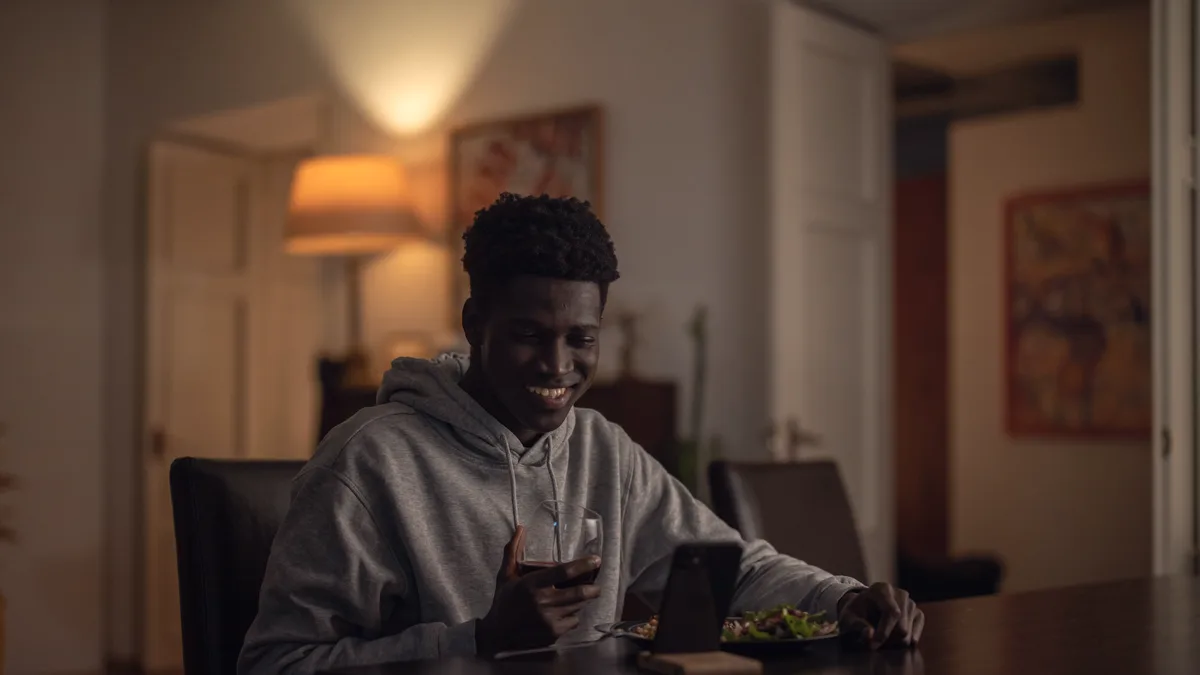
Long distance relationships put everything under a microscope. A quiet week that would barely register when you are in the same city can feel like withdrawal when you are 800 miles apart. So what guys want in a long distance relationship is worth naming clearly. Not as a checklist to follow but as a starting point for the direct conversation most couples never quite have.
The search term that brings people to this page tends to come from the partner on the other side: someone trying to understand what the man they are with actually needs, because he has not said. That silence is rarely indifference. It is often just the way most men have learned to carry things.
What the Research Shows
Men in long distance relationships want connection, trust, and a credible path forward. The data reflects this consistently. Research on LDR couples finds that 85% of men identify trust as the foundation of a healthy long distance relationship, and 82% name clear, open communication as the most important factor for staying together.
LDR couples average about 8 hours per week on calls and video chats. The ones who last tend to share one structural quality: they talked explicitly about what each person needed, rather than assuming the other would work it out.
Around 58% of long distance relationships succeed, a figure that rises sharply when both partners are actively invested and have a real plan for the future.
| Factor | % of men who rate it critical |
|---|---|
| Trust and transparency | 85% |
| Consistent communication | 82% |
| A shared end goal | 71% |
| Regular in-person visits | 68% |
| Intentional virtual time | 54% |
Source: Hilainie Research, 2026; LuvLink, 2024
Consistent Communication, Not Constant Contact
The thing most men in long distance relationships cite as a dealbreaker is not too few texts. It is inconsistency. Showing up reliably matters more than being available at every hour. A standing weekly video call and a brief daily check-in do more for the relationship than a burst of messages followed by three days of quiet.
What most guys will not say out loud: they want to know you are thinking about them, not just checking a box. A message that references something specific from your last conversation ("Did that meeting go okay?") lands completely differently than a generic "hey." One signals presence. The other signals habit.
88% of LDR couples text daily. Volume is not the differentiator. Intention is.
Reassurance That Actually Lands
Saying "I love you" every day matters. But in a long distance relationship, love that does not show up in specifics can start to feel thin over time.
Men who struggle in LDRs often describe the same pattern: they feel loved in the abstract but unseen in the particular. "I am proud of how you handled that situation at work" does more than ten "miss yous." It signals that you are paying attention, that the relationship is real and present even across the distance.
This also surfaces something worth naming directly: many men want intimacy without having to ask for it. Not because they do not need it, but because asking for reassurance feels like admitting vulnerability they have not yet put words to. The wish for connection without the awkwardness of requesting it is common. The way to meet it is to offer specific attention before he has to ask.
A Shared Timeline
Open-ended distance is the biggest structural threat to most long distance relationships. Not the miles themselves. The uncertainty. Most men need to feel the relationship is moving toward something, even if the timeline is loose. Without a direction, the distance stops feeling temporary and starts feeling like the default.
Most men need to know the gap has an end point, or at least a direction. This is the conversation couples often avoid because it feels too serious, or because naming a timeline feels like pressure. But the absence of a plan creates its own pressure, and men tend to carry it quietly.
This does not require a five-year blueprint. It means having the honest conversation: where are we going, and when do we get there? Vague optimism does not hold a relationship together over time. Shared direction does.
Trust Without Constant Proof
Trust in an LDR is not automatic. It gets built in small consistent moments. The relationship advice for guys and their partners is the same here: do not assume trust is a baseline you either have or do not have. Treat it as something both people actively maintain by being honest about the moments when they feel insecure.
The couples who handle it well treat trust as an active conversation rather than a static state. That looks like checking in about insecurities directly: "I noticed I have been feeling anxious this week and I think it is because we have not talked in a few days. Can we find a regular time to call?" Rather than letting those feelings quietly erode the foundation while the surface stays calm.
Most men want to be trusted. They also want to know when something feels off so they can do something about it. Insecurity left unspoken is the second leading cause of LDR breakups. For a practical framework on managing jealousy without pushing a partner away, how to fight jealousy in a relationship covers it directly.
Quality Time Across the Gap
Physical absence changes what connection looks like. It does not eliminate it. In practice, the couples who stay close across distance are the ones who build small rituals that happen regardless of visits: a standing call, a shared playlist, a game they play together on their phones.
Virtual movie nights, cooking the same meal on the same evening, sending a care package that arrives on a rough week: these work because they close the gap in small, tangible ways. The couples who do this well do not wait for a visit to feel close. They create moments between visits.
| Connection style | What it looks like in an LDR |
|---|---|
| Quality time | Scheduled video calls, virtual date nights, shared shows |
| Acts of service | Surprise deliveries, handling something they are stressed about |
| Words of affirmation | Specific compliments, voice notes, handwritten letters |
| Gift giving | Care packages, shared subscriptions, small surprises |
| Physical touch | Planned visits with a date on the calendar |
Planning visits early and counting down together gives both partners something real to anchor to. For tools that help with the daily connection across time zones, apps for long distance relationships covers what actually works.
When He Goes Quiet
Distance amplifies silence in both directions. When a partner goes quiet in a local relationship, you can usually read the room. In a long distance relationship, quiet arrives through a screen and leaves more room for the other person to fill in what it means. Most of the time, they fill it in wrong.
Most men who pull back in an LDR are not withdrawing from the relationship. They are managing something in their own life and defaulting to quiet because it feels safer than bringing half-formed anxiety into a call. The mistake most partners make is reading that silence as rejection and either pulling away in kind or flooding with messages. Both responses make reconnecting harder.
The better move is naming it without pressure: "You have seemed quieter this week. I am not worried, just wanted to check in." That opens a door without pushing on it.
For more on understanding the pull-away pattern and how to respond without escalating, how to stop the cycle of fighting in a relationship covers the underlying dynamic well.
What Men Need at Each Stage of a Long Distance Relationship
The needs shift over time. What a guy needs in the first three months of an LDR is not the same as what he needs at month eighteen. A lot of the friction in long distance relationships comes from one partner outgrowing a phase while the other is still operating from an earlier script.
| Stage | What most men need | Common friction point |
|---|---|---|
| Early LDR (0–3 months) | Frequent communication, reassurance the LDR is worth it | Partner assumes closeness is already established |
| Mid-distance (3–12 months) | A concrete shared timeline, regular visits | Vague "we'll figure it out" language |
| Long-haul (12+ months) | Progress toward closing the gap, honest check-ins on both sides | Emotional distance grows while logistics stay unchanged |
The Gap Most Long Distance Couples Never Bridge
Here is what almost no relationship advice addresses: both people are guessing what the other needs, and both are often wrong.
He thinks you want more independence. You think he is fine. Neither says anything. Six months pass and the emotional distance has grown even while the text thread stayed active.
The couples who handle this well ask directly. "What would make this easier for you right now?" Followed by an honest answer instead of a reassuring one.
That is harder than it sounds when you are each in your own timezone, tired, and trying not to create a problem where there does not seem to be one. But the conversation you are avoiding is usually the one that matters most.
Adoree hears both partners privately and helps each person name what they actually need, so neither of you is building on guesses. You can learn more about how Adoree works and why the dual-perspective structure makes a real difference. For more on making distance work long-term, how to survive a long distance relationship has the practical moves that matter most between visits.
Frequently asked questions
What do guys really want in a long distance relationship?
Consistent communication, emotional reassurance, trust, and evidence the relationship has a real future. Most men also want to feel seen in the specifics of their daily life, not just loved in the abstract. The relationship advice that lands: be specific, be reliable, and name what you need too.
How often should couples in a long distance relationship talk?
Research shows LDR couples average about 8 hours of calls per week. Frequency matters less than quality. One meaningful video call beats five rushed check-in texts. Agree on a rhythm together rather than assuming one; mismatched expectations here are a common source of resentment.
What makes long distance relationships fail?
Communication breakdown is the leading cause, followed by unspoken insecurity and the absence of a shared timeline. When neither partner names what they need, small resentments build quietly. The couples who last have the direct conversations most people postpone.
How can I make my long distance boyfriend feel loved?
Be specific. Saying 'I'm proud of how you handled that' lands differently than a generic 'miss you.' Regular video calls, sending something unexpected in the mail, and having a next visit on the calendar all signal active investment.
Do long distance relationships work for guys?
Yes. Research suggests around 58% of LDRs succeed when both partners are committed. The men who thrive in them share one trait: they name what they need rather than waiting to see if the other person figures it out.
Ask Adoree
Miles apart? I'll pick the game, the question or the plan that closes the gap — and you two play it right inside Adoree.
References
- Long-Distance Relationship Statistics 2026. Hilainie Research (2026). https://hilainie.com/research/long-distance-relationship-statistics/
- Surprising Long Distance Relationship Statistics. LuvLink (2024). https://www.luvlink.com/blogs/news/surprising-long-distance-relationship-statistics-ldr-101
- What Do Guys Want In A Long-Distance Relationship?. Amormentum (2024). https://www.amormentum.com/what-guys-want-in-a-long-distance-relationship-and-how-to-make-them-feel-special/