
adoree Ask me in one tap
Key takeaways
- Unrequited means 'not returned.' Unrequited love is love the other person does not feel back in the same way.
- Researchers describe five types, from a crush on someone unavailable to an unequal love relationship where both people are together but one cares more.
- In one study, unrequited love was about four times as frequent as equal love over a two-year period.
- Rejection activates brain systems linked to reward, craving and physical pain, which is why it can feel physical and hard to think your way out of.
- Inside a relationship, unequal emotional involvement is common. Couples who feel roughly equally involved tend to be more satisfied and more stable.
- What helps most is ending the uncertainty: a clear conversation, less contact if the love can't be returned, and support for the part of you that keeps hoping.
What is unrequited love?
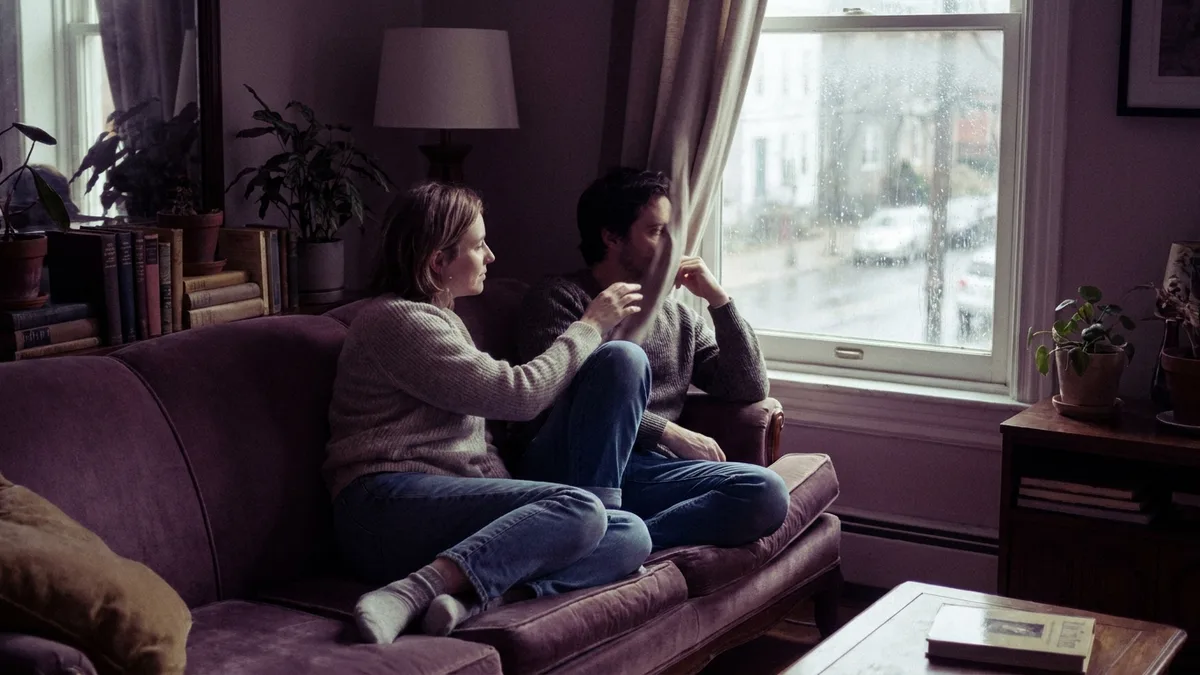
Unrequited love is loving someone who doesn't love you back, or doesn't love you in the same way. It might be a crush you never confessed, a close friend who only sees you as a friend, an ex you still miss, or the person you share a bed with who seems to care a little less than you do. The common thread is the gap: you are giving something that isn't coming back.
It is one of the oldest stories people tell, and, as the research below shows, far more common than the mutual kind.
Unrequited meaning: where the word comes from
Unrequited means "not returned." It comes from requite, which the Cambridge Dictionary defines as "to give or do something in return for something given to you or done for you." Add "un" and you get love that is given without anything given back.
So the unrequited love meaning is almost literal: love sent, love not returned. You will also hear it called one-sided love. The word is used mostly about romance, though people sometimes use it for friendships or family relationships too.
The five types of unrequited love
Unrequited love covers more ground than a teenage crush. A 2013 study by psychologists Robert Bringle, Terri Winnick and Robert Rydell described five types, arranged from the least connected to the most.
| Type | What it looks like | How much you share with them |
|---|---|---|
| 1. Crush on someone unavailable | A celebrity, a married colleague, a teacher | Almost nothing |
| 2. Crush on someone nearby | A classmate, a coworker, a friend of a friend | Proximity, little else |
| 3. Pursuing a love object | Actively trying to start something with someone who isn't keen | Some contact, mostly one-way |
| 4. Longing for a past lover | Still loving an ex who has moved on | A real shared history |
| 5. An unequal love relationship | Together, but one partner is more invested than the other | A whole life |
The same study found unrequited love was about four times as frequent as equal love over a two-year period among the people it surveyed. Unrequited love is the ordinary case, and the mutual kind is the lucky one.
The study also found something that may be comforting: across all five types, unrequited love was less intense than equal love on passion, commitment, sacrifice and practical love, but more intense on turmoil. In other words, what feels so big about it is often the turbulence, more than the depth of the bond.
Signs of unrequited love
You usually know. But when you are inside it, hope makes it hard to read the signs honestly.
| Sign | What it looks like |
|---|---|
| You start almost every conversation | If you stopped texting, you are not sure they would notice. |
| Their warmth is occasional | Kind one day, distant for a week, with no clear reason. |
| Plans are vague on their side | "We should hang out sometime" never becomes a date. |
| You read into small things | A like, a laugh, an emoji gets replayed for hours. |
| They talk about other people they're into | Comfortably, as if you are not in the running. |
| Your mood depends on them | A reply makes your day; silence ruins it. |
| Friends gently change the subject | The people who love you have already seen it. |
Inside a relationship, the signs look different: you plan most of the time together, you say "I love you" first and wait for it back, your partner seems content with much less closeness than you need, or you keep asking where you stand.
Where Adoree fits
Unrequited love is lonely partly because it is embarrassing to say out loud. You don't want to burden friends with the same story for the tenth time, and you can't exactly tell the person.
Adoree is an AI relationship assistant you can talk to privately, by voice or text, whenever the loop gets loud. You can say the unflattering version, the rereading of texts and the checking of stories, and get honest questions back instead of easy reassurance. Adoree remembers what you said before, so patterns become visible: you feel worst on the days they go quiet.
If the gap is inside your relationship, each partner talks with Adoree in their own private space, and nothing is shared without your say-so. That lets each of you work out what you actually feel before you try to say it to each other. You don't need a partner on the app to start. See how Adoree works for couples.
When one partner loves more: unrequited love inside a relationship
Most articles on unrequited love are written for someone with a crush. But one of the most painful versions happens between two people who are already together.
A version of this was named back in 1938 by the sociologist Willard Waller: the principle of least interest, the idea that the partner who is less emotionally involved has more power, because they need the relationship less. In 2006, Susan Sprecher, Maria Schmeeckle and Diane Felmlee tested it with dating couples followed over several years. Their findings line up with what many couples feel:
- Unequal emotional involvement was common, and it tended to stay stable over time.
- The less involved partner felt more in control of whether the relationship continued.
- Couples who felt equally involved were more satisfied and more stable.
So an imbalance is normal, and it is also worth paying attention to. Both seats are hard.
If you are the one who loves more, you may feel like you are always reaching. You give more, plan more and wait more, and every small sign of distance lands as proof that you matter less. Over time, it is easy to start shrinking your needs to avoid looking "too much."
If you are the one who loves less, or differently, you may feel guilt, pressure, or a vague sense of being watched for evidence. You might care deeply and still not feel the intensity your partner does. Some people in this seat are simply more reserved, some are in a hard season, and some are quietly unsure about the relationship.
Here is what makes the conversation possible: loving differently can still mean loving fully, and it can also fall short of what the other person needs. Only the two of you can work out which one you are dealing with, and you can't do that until it is said.
Why unrequited love hurts so much
Unrequited love hurts because rejection activates both the brain's reward and craving systems and regions linked to physical pain. You keep wanting the person, the brain keeps registering a loss, and uncertainty keeps both running. That is why it can feel physical and why logic alone rarely switches it off.
Two brain-imaging studies help explain it:
- In a 2010 study, Helen Fisher and colleagues scanned 15 people who had recently been rejected but were still intensely in love. Looking at a photo of the person who left them activated regions tied to reward, craving, and addiction, including areas involved in cocaine craving. The authors suggest this may help explain the obsessive behavior that often follows rejection.
- In a 2011 study, Ethan Kross and colleagues showed people who had recently been through an unwanted breakup a photo of their ex. Brain areas that support the sensory side of physical pain became active. The authors wrote that the results give new meaning to the idea that rejection "hurts."
The well-known 1993 study by Roy Baumeister and colleagues on this subject has a title that sums up the whole experience, from both sides: Unrequited love: On heartbreak, anger, guilt, scriptlessness, and humiliation. Heartbreak and humiliation for the one who loves. Guilt, and no script for what to say, for the one who doesn't.
Unrequited love vs limerence vs a crush
These overlap, and the difference changes what helps.
| Crush | Unrequited love | Limerence | |
|---|---|---|---|
| Intensity | Light, pleasant | Ranges from wistful to painful | Consuming, anxious |
| Is it returned? | Doesn't matter much | No, or not equally | Unknown, and that's the fuel |
| Thoughts | You enjoy them | They ache | You can't stop them |
| Typical length | Weeks | Weeks to years | Months to years |
| What helps | Nothing, enjoy it | Clarity and acceptance | Ending the uncertainty and the fantasy |
Unrequited love becomes limerence when the longing turns into a loop: intrusive thoughts, mood tied to their every signal, an idealized picture of them. If that sounds closer to where you are, our guide to limerence and how it ends goes deeper.
Why you might keep falling for people who can't love you back
If unrequited love is a pattern for you, the question underneath it is often about attachment, the way you reach for closeness and react to distance. People with an anxious style tend to feel most alive around someone slightly out of reach, because uncertainty feels like chemistry. People with an avoidant streak sometimes prefer longing from afar, because a crush that can't happen is also a relationship that can't get close.
The single question that separates these patterns most clearly: when someone you love goes quiet, do you reach for them, or do you pull back?
How to get over unrequited love (if they don't feel the same)
The fastest way through unrequited love is to end the uncertainty, then remove what keeps the hope alive. Clarity hurts for a while; ambiguity can hurt for years.
- Get a clear answer if you can. Saying how you feel, with no pressure attached, often ends the waiting. "I have feelings for you. I don't need anything from you, I just didn't want to keep it hidden."
- Believe the answer you get. "I don't see us that way" is a complete sentence, even if it comes with kindness.
- Reduce contact for a while. Mute, unfollow, step back from one-on-one time. Every new signal restarts the craving.
- Write two lists. What you imagine about them, and what you actually know. The gap is often large.
- Ask what the longing stands for. Being chosen, being admired, a version of your life you want. That need is real, even if this person isn't where it gets met.
- Refill your life. Sleep, friends, work, movement. Longing grows in empty space.
- Get support if it's consuming you. If months have passed and it is hurting your sleep, work or mood, a licensed therapist can help.
What to do when the gap is inside your relationship
When the imbalance is with your partner, the goal is different: you don't want to get over them, you want to understand the gap and see if it can close.
Start by talking about it as a pattern you both live in, not a verdict on either of you. Pick a calm moment, not the night they forgot to text back.
| Situation | Try saying | Avoid |
|---|---|---|
| You feel like you love more | "I notice I'm usually the one reaching. Can we talk about what closeness looks like for you?" | "You obviously don't care as much as I do." |
| Your partner shows love differently | "Help me see how you show it, so I don't miss it." | "If you loved me you'd say it more." |
| You're the one who feels less | "I care about you, and I've been feeling less than I used to. I want to understand why with you." | Pulling away quietly and hoping they don't notice |
| You need reassurance | "When you go quiet I fill in the worst story. Could we agree on a small check-in?" | Testing them to see if they'll chase you |
| It's been uneven for a long time | "I don't want to keep guessing. Where do you see us going?" | Waiting another year for a sign |
Sometimes the gap is about expression: one of you shows love through words, the other through doing. Sometimes it is a hard season, a new baby, a job, grief, and the distance is temporary. And sometimes one person really has stopped wanting the relationship. If you are the partner who isn't sure what you feel anymore, this answer on love versus comfort is a good place to start.
Unrequited love feels permanent from the inside. It rarely is. Whether it fades or turns into a conversation that brings you closer, it starts with saying the true thing to someone. If you want to find the words first, Talk to Adoree. For more plain explanations of the words people use about love today, see our guide to modern relationship terms, and read more about the thinking behind Adoree.
Frequently asked questions
What is unrequited love?
Unrequited love is romantic love for someone who doesn't love you back, or doesn't love you in the same way or with the same intensity. It can be a crush you never confessed, a friend who sees you as a friend, an ex you still long for, or a partner who seems less invested than you are.
What does unrequited mean?
Unrequited means not returned or not reciprocated. It comes from 'requite,' which means to give or do something in return for something given to you. So unrequited love meaning, quite literally, is love given without love coming back. The word is mostly used about romantic feelings.
Is unrequited love real love?
The feelings are real, and they can be intense. Researchers who compared unrequited and mutual love found unrequited love to be less intense on passion and commitment, but higher on turmoil. Many people describe it as longing more than love, because the other person is partly known and partly imagined.
Why does unrequited love hurt so much?
Rejection activates the same reward and craving systems as being happily in love, along with brain regions that process physical pain. You keep wanting the person while your brain registers the loss. Uncertainty makes it worse, because every small hopeful signal restarts the craving.
How long does unrequited love last?
There is no fixed timeline. It can fade in weeks once the answer is clear, or linger for years if it is fed by occasional hopeful contact. The biggest factor is uncertainty: a clear no, less contact, and a full life outside the longing usually shorten it.
Can unrequited love happen in a relationship?
Yes. Researchers include 'an unequal love relationship' as one of the five types. Both people are together, but one is more emotionally invested. Studies of dating couples found unequal involvement was common, and that couples who felt equally involved were more satisfied and more stable.
How do you get over unrequited love?
End the uncertainty first, ideally with a clear answer. Then reduce contact and stop checking their profiles, write down what you actually know about them next to the story you tell yourself, and rebuild the parts of your life the longing crowded out. If it is consuming you for months, a licensed therapist can help.
Should I tell someone I love them if they don't feel the same?
Often, yes, if you can accept either answer. Saying it ends the uncertainty that keeps unrequited love alive. Keep it simple, without pressure: say how you feel, say you don't need anything from them, and let them answer in their own time.
Ask Adoree
You just read about it. Now tell me yours — I'll tell you what it's really about.
More on this: Words of modern love, every guide in one place →
References
- The Prevalence and Nature of Unrequited Love. Robert G. Bringle, Terri Winnick and Robert J. Rydell, SAGE Open (2013). https://doi.org/10.1177/2158244013492160
- Reward, Addiction, and Emotion Regulation Systems Associated With Rejection in Love. Helen Fisher, Lucy Brown, Arthur Aron, Greg Strong and Debra Mashek, Journal of Neurophysiology (2010). https://doi.org/10.1152/jn.00784.2009
- Social rejection shares somatosensory representations with physical pain. Ethan Kross, Marc Berman, Walter Mischel, Edward Smith and Tor Wager, PNAS (2011). https://doi.org/10.1073/pnas.1102693108
- The Principle of Least Interest: Inequality in Emotional Involvement in Romantic Relationships. Susan Sprecher, Maria Schmeeckle and Diane Felmlee, Journal of Family Issues (2006). https://doi.org/10.1177/0192513X06289215